 Skip to main content



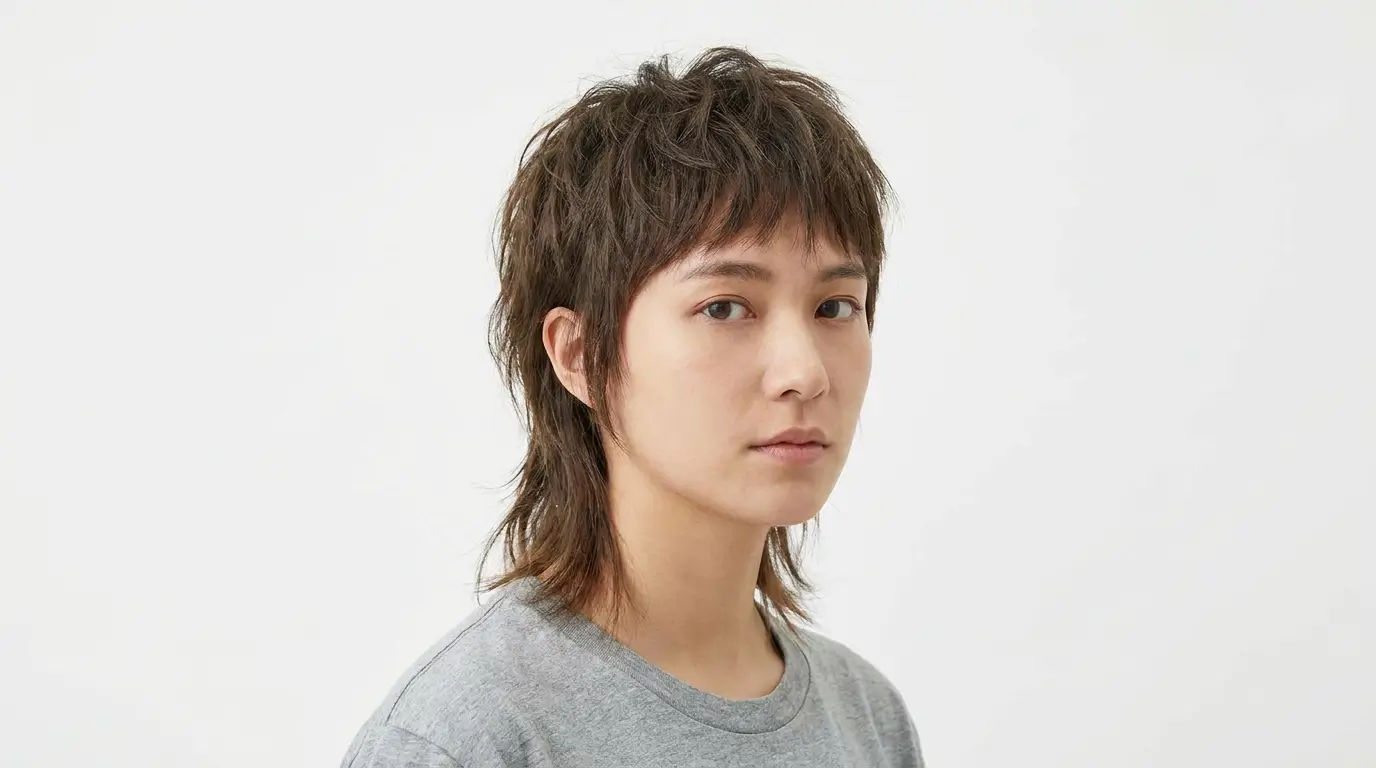

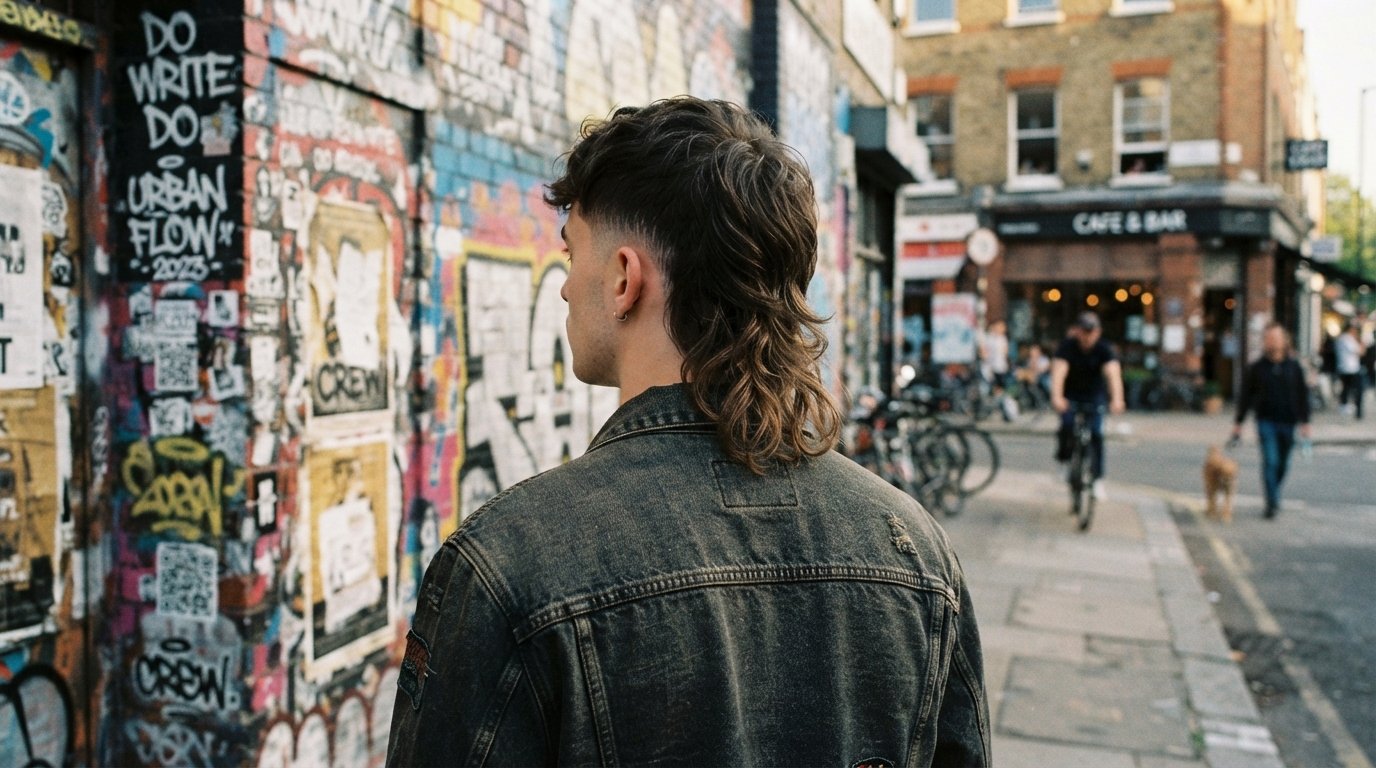



The mullet has quietly become one of the defining men’s haircuts of 2026. It’s no longer the exaggerated, low-maintenance cut of the 80s — the modern day mullet man wears a version that’s been refined, tapered, and built around personal style rather than convenience. This guide covers every major variation, how to pick one that suits your hair and face shape, and how to keep it looking sharp between visits to the barber.
What Defines a Modern Day Mullet Man’s Haircut
The Shift From Retro to Refined
The defining trait of today’s cut is contrast handled with intention. The modern mullet combines tapered or faded sides with a textured, layered top and a manageable back, requiring moderate maintenance with trims roughly every three to four weeks — a clear departure from the thick, untrimmed sides and minimal styling of the classic 80s version. In short, a modern day mullet man isn’t growing his hair out and hoping for the best; he’s working with a barber to shape a deliberate, structured cut.
Why Barbers Treat It as a Precision Cut Now
Because the modern version relies on a clean transition between the short and long sections, it actually takes more skill to execute well than the original. A barber has to blend the fade or taper smoothly into the longer back rather than leaving a hard, uneven line — which is part of why the modern mullet is often priced and treated like a specialty cut rather than a basic trim.
Why This Cut Is Everywhere Right Now
The Data Behind the Trend
This isn’t a passing trend confined to a few stylish outliers. A nationwide consumer study found that one in five American men rank the retro mullet as the top vintage hairstyle they’d like to see return to modern style, and search interest for lower-intensity mullet variations rose sharply year-over-year.
Celebrity and Cultural Influence
Part of that growth comes from visibility — celebrities including Harry Styles and Finn Wolfhard have worn versions of the cut, giving barbers concrete reference points and giving everyday men the confidence to ask for it in the chair rather than settling for a safer, more generic style.
The Main Modern Mullet Styles for Men
Mullet Fade
The mullet fade is the most common entry point for men easing into the trend, since it blends the sides gradually into the top and back for a smooth, polished transition, and can be worn as a low, mid, or high fade depending on how bold the wearer wants the contrast to be. It reads as tidy enough for most workplaces while still keeping the signature length in back.

Curtain Mullet
The curtain mullet takes a different approach, pairing a middle-parted fringe with a longer back. Drawing on Korean and K-pop styling, it delivers a soft, effortless flow that works best on straight or slightly wavy hair, and tends to suit men who want movement at the front rather than a hard part or fade line.

Baby Mullet
For men who want to test the trend without fully committing, the baby mullet has become the standout style of the year. It’s the cut behind the biggest 2026 search surge — a compact style bridging a pixie crop and a traditional mullet, with only one to two inches of length at the nape, and today’s version rarely uses shaved sides. It’s subtle enough to pass in conservative settings while still giving the wearer that back-length signature.

Wolf Cut Mullet
Men with thicker or medium hair often gravitate toward the wolf cut, which mixes shag-style heavy layering with mullet length to create a voluminous, slightly messy look — a good option if you want texture to do most of the visual work rather than a sharp fade line.

Euro Mullet
At the opposite end, the Euro mullet pairs a very short, textured top with a sharply defined long tail, favored in European fashion circles for its high-contrast, editorial-style profile. It’s the boldest option covered here and works best on men already comfortable standing out.

Matching the Cut to Your Hair Type and Face Shape
Choosing by Hair Texture
Fine, straight hair generally looks best with choppy, point-cut layers, since heavier layering can make it fall flat rather than hold shape. Thick or wavy hair handles the wolf cut and standard fades comfortably, because there’s enough natural volume to support the longer back section without extra styling effort. Curly hair carries texture especially well here — spiral curls naturally boost volume, and when combined with layering, curly hair can support a highly dimensional mullet shape that looks noticeably different from the same cut worn straight.
Choosing by Face Shape
Face shape matters just as much as hair type. A rounder face generally benefits from extra length left in the back to elongate the overall silhouette, while stronger, more angular features are often softened by keeping some length and texture around the front rather than going for a hard, close fade throughout.
Daily Styling and Maintenance Routine
Washing and Conditioning
A modern day mullet man doesn’t need an elaborate routine, but consistency matters more than with a standard short cut. Washing two to three times a week preserves natural oils and keeps texture workable, and regular conditioning prevents split ends at the longer back section, which is the part most prone to damage.
Product Selection by Style
Product choice depends on the specific style: sea-salt spray builds natural, beachy texture; matte clay or pomade gives cleaner hold and definition for fades; and curl cream is the better choice for wavy or curly variations. Blow-drying with fingers adds volume for shaggier or textured looks.
Getting the Proportions Right
For fades specifically, barbers typically use clipper guards zero to two on the sides while keeping the back around six to seven inches, or roughly three to four centimeters, to preserve the classic proportions that make the cut read as a mullet rather than just a long-on-top style.
Trims and Long-Term Upkeep
How Often to Book a Trim
Most modern mullet variations need a trim every three to four weeks to keep a fade sharp and stop the back section from looking overgrown rather than intentional. Lower-maintenance versions like the baby mullet can stretch closer to eight weeks between visits, which makes them a practical choice for men who want the look without frequent barber trips.
Sticking With One Barber
Either way, it helps to keep a consistent barber, since the line between the short and long sections is easy to lose if two different stylists interpret the shape differently.
Weighing the Trade-Offs
The Advantages
The modern day mullet works well because it flexes across hair types, face shapes, and levels of boldness, and its maintenance sits at a reasonable middle ground compared with other high-upkeep trend cuts.
The Downsides
That said, it does require more regular trims than a standard short back and sides, and not every industry or workplace will read a bold version — like a wolf cut or Euro mullet — as fully professional yet. Growing it out from a dramatic cut also takes patience, since the front and sides need time to catch up to the length already established in the back. A poorly cut version can look unintentional rather than styled, which mostly comes down to choosing a barber who has real experience with the cut specifically.
Common Mistakes to Avoid
Skipping the Consultation
The biggest mistake is skipping a proper consultation and assuming the barber pictures the same cut you do — the word “mullet” now covers a wide range of results, so bringing reference photos matters.
Going Too Bold Too Fast
Going too bold on a first attempt is another common misstep; starting with a baby mullet or a low-contrast fade gives you room to go further later, rather than committing to a dramatic wolf cut or Euro mullet immediately.
Neglecting Trims and Ignoring Hair Type
Skipping regular trims is a frequent issue, since letting the cut grow out unevenly is what makes a mullet look accidental instead of deliberate. Ignoring your natural hair type when picking a style often backfires too — a cut that looks sharp in a photo on straight hair may need real adjustment to work well on curly or fine hair.
Frequently Asked Questions
What is a modern day mullet man’s haircut?
It’s a cut with tapered or faded sides, a textured top, and a longer, layered back — a more refined, deliberate version of the classic 80s mullet.
Is the mullet still trending for men in 2026?
Yes. Search interest in subtler versions like the baby mullet has grown sharply over the past year, and the cut remains one of the most requested styles at barbershops.
How often should a mullet be trimmed?
Most versions need a trim every three to four weeks to hold their shape, while lower-maintenance styles like the baby mullet can go around eight weeks.
Does a mullet work with curly hair?
Yes — spiral curls and layering add real dimension, though curly versions usually need more product to keep their shape defined.
What’s the difference between a wolf cut and a regular mullet?
A wolf cut uses heavier shag-style layering throughout for a messier, more voluminous texture, while a standard mullet keeps a cleaner line between the short front and long back.
Is a mullet appropriate for a professional workplace?
A low-contrast fade or baby mullet generally reads as professional, while bolder versions like the Euro mullet or wolf cut lean more casual or creative-industry.
What products should a mullet man use?
Sea-salt spray for texture, matte clay or pomade for hold, and curl cream for wavy or curly hair are the most commonly recommended.
Can a mullet be grown out easily later?
Yes — since the back is already long, growing out mainly means letting the front and sides catch up, which a barber can blend gradually rather than starting over.
Conclusion
Being a modern day mullet man in 2026 comes down to choosing the right level of contrast for your hair type, face shape, and lifestyle, then staying consistent with trims. Bring clear reference photos to your next barber visit, be upfront about how much maintenance you’re actually willing to keep up, and if you’re unsure, start with a lower-contrast version — you can always go bolder once you know how it suits you.
